
Lipiflow Dry Eye Treatment

LipiFlow is an FDA-approved, noninvasive treatment specifically designed for patients who suffer from Meibomian Gland Dysfunction, or MGD, the leading cause of dry eye. Unlike artificial tears that provide temporary surface moisture, LipiFlow is designed to treat the underlying cause of evaporative dry eye.
Meibomian glands line the inside of our eyelids and are responsible for creating the oil layer of our tear film. When these glands become blocked or clogged, they cannot properly release these essential oils. As a result, the tear film lacks a crucial lipid layer, causing tears to evaporate faster than normal and leading to dry eye symptoms. This blockage is known as Meibomian Gland Dysfunction, and if left untreated, it can become progressively worse.
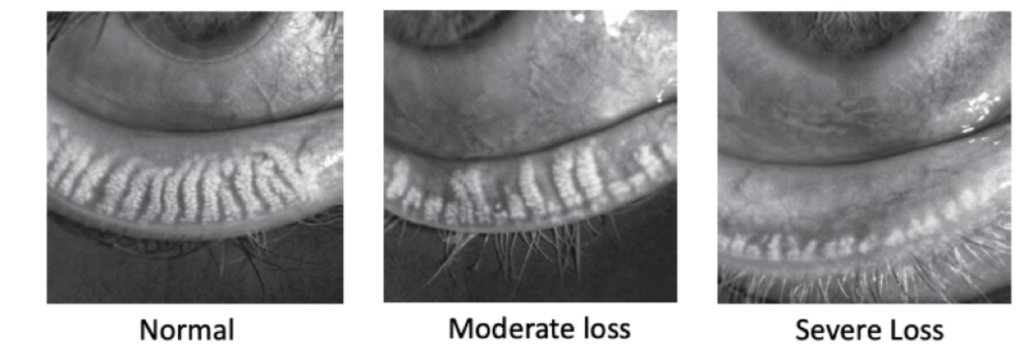
The progression of Meibomian Gland Dysfunction as shown through LipiView images.
How Does LipiFlow Work?
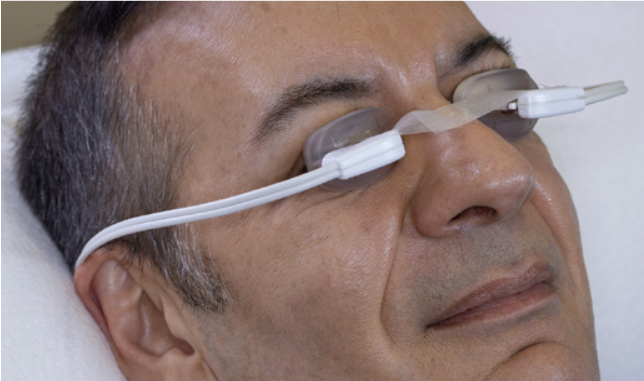
LipiFlow uses a single-use, sterile activator to apply gentle, controlled warmth and soft, pulsating pressure directly to your eyelids. This combination safely liquefies and clears stubborn blockages inside the meibomian glands, allowing them to resume the natural flow of essential oils that help keep tears from evaporating too quickly.
Many patients compare LipiFlow to a relaxing, spa-like treatment and may experience relief shortly after treatment. However, not everyone will notice immediate symptom improvement. Some patients may continue to experience improvement over the following days or weeks.
You May Be an Excellent Candidate for LipiFlow If You Regularly Experience:
- Dryness, burning, or stinging in your eyes.
- A sensation of grit, sand, or a foreign object in your eye.
- Redness and irritation, especially after screen use or time spent in dry environments.
- Fluctuating or blurry vision that temporarily improves when you blink.
- Watery eyes, which can be a sign of poor-quality tears that evaporate too quickly.
What to Expect During Treatment
- LipiFlow is a quick, comfortable, in-office procedure designed with your comfort in mind.
- Most patients describe the sensation as a warm, soothing eyelid massage.
- The treatment takes just 12 minutes per session for both eyes.
- Zero Downtime: You can resume your normal daily activities immediately following your appointment.