Corneal Transplant
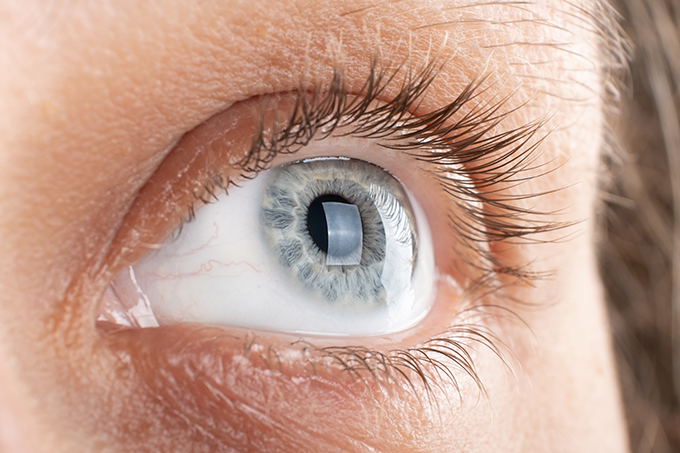
The cornea—the clear, dome-shaped surface at the front of your eye—is essential for sharp, comfortable vision. When this delicate tissue becomes scarred, swollen, or too thin, even the best glasses or contact lenses can’t restore clarity. Modern corneal transplantation offers a highly successful way to replace damaged tissue, restore sight, and dramatically improve quality of life.
Corneal transplantation is unique among medical transplants: almost anyone can be a donor, rejection rates are low, and outcomes continue to improve with advanced surgical techniques.
What is a Corneal Transplant?
A corneal transplantation replaces damaged or diseased corneal tissue with healthy donor tissue. The cornea has several layers, from the outer epithelium to the inner endothelium, and vision depends on each layer remaining clear and smooth.
When scarring, clouding, or distortion affects vision, surgeons may replace the entire cornea or just the specific layer that is not functioning properly.
How Technology Has Improved Corneal Transplants
Twenty years ago, corneal transplants often involved replacing the full thickness of the cornea, requiring many stitches and up to a year of healing. Today, Florida Vision Institute offers advanced, targeted procedures that replace only the affected layers—leading to:
Layer-Specific Transplants
If only the inner layer is damaged—as in Fuchs’ dystrophy—we can perform a partial cornea transplant. Descemet Membrane Endothelial Keratoplasty (DMEK) replaces only a paper-thin layer of endothelial cells and Descemet’s membrane (about 10 microns thick). Vision often returns rapidly, sometimes reaching 20/20 within a month. DSEK (Descemet Stripping Endothelial Keratoplasty) uses a thicker donor graft that includes endothelial cells, Descemet’s membrane, and a thin layer of supporting stroma (60 to 120 microns thick).
Who May Need a Corneal Transplant?
A variety of conditions can lead to permanent corneal damage, including:
- Fuchs’ Endothelial Corneal Dystrophy – A common, inherited condition causing gradual degeneration of the inner corneal layer, often starting after age 40.
- Keratoconus – A progressive thinning and bulging of the cornea that can appear in teens and young adults.
- Corneal Infections or Trauma – Injuries, ulcers, or severe infections may leave scarring that blocks vision.
- Swelling After Eye Surgery – Complicated or repeated surgeries sometimes weaken the cornea.
- Glaucoma, uveitis or others eye diseases that can weaken the cornea.
When these issues interfere with daily activities or limit vision, a transplant may be recommended.
What Should Patients Expect?
Corneal transplantation is one of the most successful procedures in ophthalmology, with success rates of around 95% , depending on the health of the eye.
However, surgery is just one part of the journey—patients must commit to:
- Long-term use of prescribed eye drops
- Regular follow-up visits
- Monitoring for symptoms of rejection
Donor tissue is a true gift, and long-term care helps protect that gift.
Understanding Rejection and Prevention
Unlike other organ transplants, corneal transplants have a very low risk of rejection, and donor-recipient matching is typically not necessary. Most patients are maintained on a single steroid eyedrop to prevent rejection over time.
Rejection can occur for months or even years after surgery. Early treatment is highly effective, so patients should call their provider urgently if they notice:
- Redness
- Light sensitivity
- Pain
- Blurry vision
Prompt evaluation usually allows the graft to recover with medications.
Take the Next Step
Schedule an appointment to have your cornea evaluated and learn which type of transplant may be right for you.